
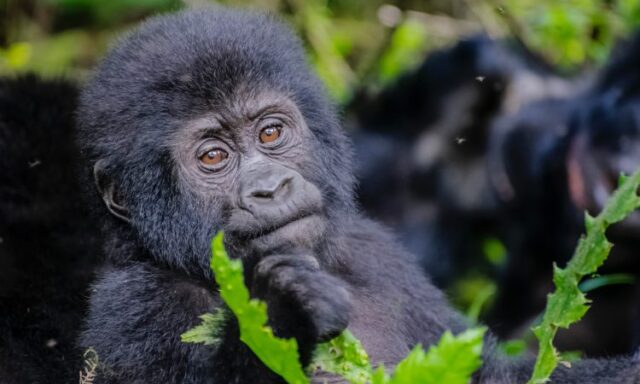
In the heart of Southwestern Uganda lies a forest so dense and ancient that it earned the name “Impenetrable.” Bwindi Impenetrable National Park is not just a UNESCO World Heritage site; it is the sanctuary for nearly half of the world’s remaining mountain gorillas.
If you are planning a journey to meet these gentle giants in 2026, the landscape of trekking has evolved with new conservation tariffs and expanded gorilla families. This guide covers everything you need to know to plan a seamless, ethical, and life-changing adventure.
1. The Logistics: Permits and Pricing for 2026
In mid-2024, the Uganda Wildlife Authority (UWA) updated the conservation tariffs. These fees are vital for the protection of the habitat and the rangers who guard it 24/7.
| Category | Standard Trek (1 Hour) | Habituation Experience (4 Hours) |
| Foreign Non-Resident | $800 USD | $1,500 USD |
| Foreign Resident (with ID) | $700 USD | $1,000 USD |
| Rest of Africa (ROA) | $500 USD | $1,000 USD |
| East African Citizens | UGX 300,000 | UGX 750,000 |
Pro Tip: Permits for the peak dry seasons (June–September and December–February) often sell out 12 to 18 months in advance. If you’re eyeing a 2026 trek, the time to book is now.
2. Choosing Your Sector: Where to Trek?
Bwindi is divided into four distinct sectors. Where you book your permit determines where you must book your lodging, as driving between sectors can take 3 to 5 hours on winding mountain roads.
-
Buhoma (North): The “original” trekking sector. It has the lowest altitude and some of the most established luxury lodges.
-
Ruhija (East): Known for its stunning views and birdwatching. It’s slightly higher in altitude and often cooler.
-
Rushaga (South): The sector with the highest number of habituated families. This is also where the Gorilla Habituation Experience takes place.
-
Nkuringo (South): Offers the most challenging hikes but rewards you with the most breathtaking views of the Virunga Volcanoes.
3. Standard Trek vs. Habituation Experience
For most travelers, the Standard Trek is the perfect introduction. You spend one hour observing a family that is fully “habituated”—meaning they view humans as a neutral part of their environment.
However, if you are a photographer or a deep nature enthusiast, the Gorilla Habituation Experience is the ultimate upgrade. Available only in the southern sectors, you join researchers and trackers to spend four hours with a semi-habituated family. You’ll witness more raw, authentic behaviors as the gorillas are still learning to trust human presence.
4. When to Go: Timing Your Adventure
Uganda’s equatorial climate means trekking is possible year-round, but the “best” time depends on your priorities.
-
The Dry Seasons (June–August & December–February): The gold standard. Trails are firmer, skies are clearer, and the risk of a tropical downpour during your hour with the gorillas is lower.
-
The Emerald Seasons (March–May & October–November): Often called the “low season.” While the trails are muddier, the forest is at its most lush and vibrant. You’ll face fewer crowds, and many luxury lodges offer discounted rates.
5. Essential Rules for a Respectful Encounter
To ensure the safety of the gorillas (who share 98% of our DNA), the UWA enforces strict “Gorilla Etiquette”:
-
Distance: Maintain a minimum of 7–10 meters at all times.
-
Health: If you have a cold or flu, you will not be allowed to trek. Gorillas have no immunity to human respiratory infections.
-
Silence: Keep your voice low. High-pitched noises can be misinterpreted as threats.
-
No Flash: Flash photography is strictly prohibited as it can agitate the Silverback.
-
Masks: In 2026, many rangers still require trekkers to wear masks during the actual encounter to prevent disease transmission.
6. What to Pack: The “Bwindi Survival Kit”
The forest is steep, humid, and full of “wait-a-bit” thorns. Forget the safari shorts; you need protection.
-
Long-sleeved shirts & trousers: Tucked into your socks to prevent safari ants from climbing up.
-
Gaiters & Waterproof Boots: Essential for the thick mud and undergrowth.
-
Gardening Gloves: You will be grabbing vines and branches to steady yourself on steep inclines.
-
A Lightweight Rain Jacket: It’s called a rainforest for a reason; expect rain even in the dry season.
7. The Power of a Porter
At the trailhead, you will have the option to hire a local porter for approximately $20–$25. While you might feel fit enough to carry your own bag, hiring a porter is one of the most direct ways to support the local community. Many porters are former poachers who now earn a living through conservation—your contribution keeps the forest and the gorillas safe.