
Dreaming of a safari in Uganda, but not sure where to start? The “Pearl of Africa” is a destination of unparalleled beauty and diverse experiences, from dense rainforests to wide-open savannahs. For a first-timer, the planning process can seem daunting. This guide breaks down the essential steps to help you design an unforgettable and seamless Uganda safari.
Step 1: Define Your Safari Style & Interests
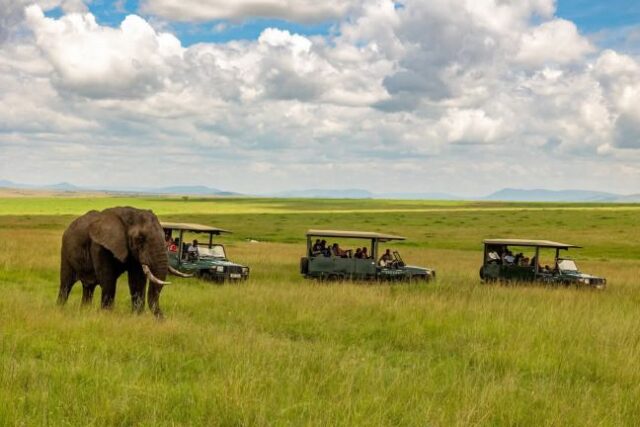 Before you book anything, consider what you want from your trip. Are you a nature lover focused on seeing primates? An adventurer seeking thrills and remote wilderness? Or a classic safari-goer hoping to spot the Big Five?
- Gorilla & Chimp Focused: Your itinerary will center around Bwindi Impenetrable and Kibale Forest National Parks.
- Wildlife & Scenery: Murchison Falls and Queen Elizabeth National Parks are your primary destinations.
- Off-the-Beaten-Path: Kidepo Valley National Park is your ultimate prize.
- Balanced Itinerary: Many safari operators offer multi-day itineraries that combine a little of everything, moving between the different parks.
Step 2: Decide on the Best Time to Travel
Uganda’s climate is generally mild year-round, but a few seasons stand out for safaris:
- Dry Seasons (June to September and December to February): These are the most popular times to visit. The trekking trails are drier, and wildlife is easier to spot as animals gather around water sources.
- Rainy Seasons (March to May and October to November): These months offer lush, green landscapes and are ideal for bird watching. They are also considered the low season, with fewer crowds and often lower prices for permits and accommodation.
Step 3: Secure Your Gorilla & Chimpanzee Permits
This is arguably the most crucial step for a primate-focused safari. Gorilla and chimpanzee permits are limited and sell out months in advance.
- Gorilla Trekking Permit: $800 USD (Foreign Non-Resident).
- Chimpanzee Trekking Permit: Around $200 USD (Foreign Non-Resident).
Booking through a trusted tour operator is highly recommended. They can handle the logistics of securing permits, which can be a complex process for international travelers.
Step 4: Craft Your Itinerary & Book Accommodation
Once your permits are secured, you can build your trip around them. A typical 7-10 day safari might look like this:
- Day 1-2: Arrive in Entebbe, travel to a lodge near Kibale Forest for chimpanzee trekking.
- Day 3-4: Head to Queen Elizabeth National Park for game drives and a boat safari on the Kazinga Channel.
- Day 5-6: Journey to Bwindi Impenetrable National Park for your gorilla trekking experience.
- Day 7: Relax and explore the scenic Lake Bunyonyi before heading back to Entebbe.
Choose accommodation that aligns with your budget and is conveniently located near your safari activities. Options range from rustic campsites to luxurious eco-lodges.
Step 5: Plan for Health & Safety
- Vaccinations: A Yellow Fever vaccination certificate is mandatory for entry into Uganda. Consult a travel clinic for other recommended vaccines like Hepatitis A and Typhoid.
- Malaria: Malaria is a risk in Uganda. Talk to your doctor about anti-malarial medication and use insect repellent with DEET.
- Travel Insurance: Purchase comprehensive travel insurance that covers safari activities, medical emergencies, and trip cancellations.
Step 6: Pack Smart
- Clothing: Pack lightweight, quick-drying, and neutral-colored clothing. Long sleeves and trousers are essential for trekking and evenings.
- Footwear: Sturdy, waterproof hiking boots are a must.
- Gear: A good camera with a zoom lens, binoculars, a hat, sunscreen, and a waterproof bag for electronics.
By following these steps, you’ll be well on your way to planning a perfect Uganda safari. With its breathtaking landscapes, incredible wildlife, and warm, welcoming people, Uganda is a destination that will leave a lasting impression on your heart and soul.
Pack&Go tours and Travel can help you in planning the perfect Uganda safari, contact us or email us at info@packandgoug.com for more information